Rigid Insulation Installation in Boulder, CO
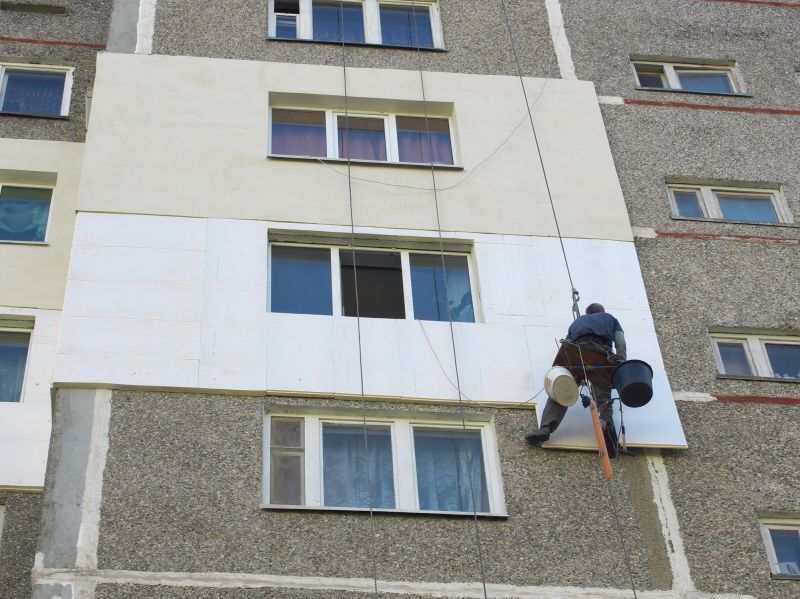
Rigid insulation installation is a process that involves adding high-density foam or board materials to improve a building's thermal resistance. This type of insulation is commonly used in projects such as basement wall insulation, exterior wall sheathing, roofing systems, and foundation insulation. Homeowners interested in this service often want to understand the different types of rigid insulation available, how it can enhance energy efficiency, and where it can be effectively applied within their properties to reduce heating and cooling costs.
Before requesting rigid insulation installation, property owners typically seek information about the suitability of specific materials for their climate and building type, as well as the potential impact on indoor comfort. It's also helpful to consider the scope of the project, whether it involves new construction or upgrades to existing structures, and any preparation steps needed to ensure proper installation. Clear understanding of these factors can help homeowners make informed decisions about improving their property's insulation performance.
Many property owners in Boulder, CO look into Rigid Insulation Installation for repairs, replacements, upgrades, and appearance-related improvements.
Benefits Of Rigid Insulation
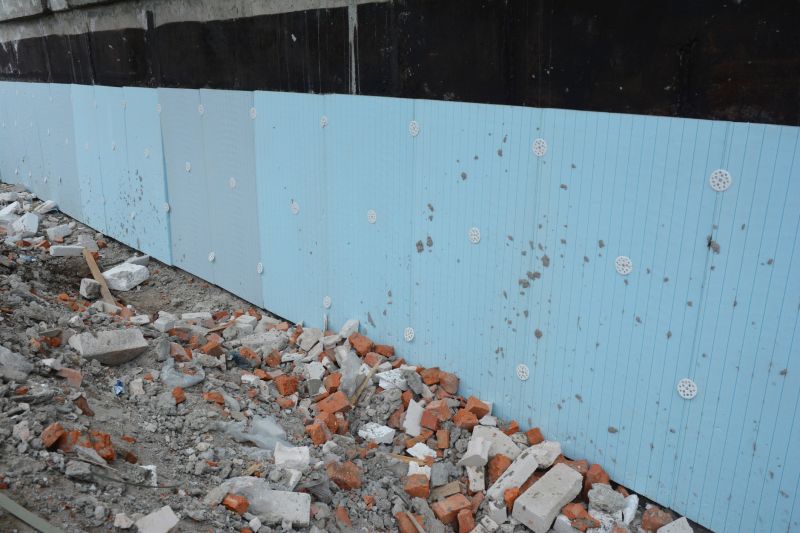
Rigid insulation enhances energy efficiency and helps maintain comfortable indoor temperatures in boulder homes.
Common Installation Areas
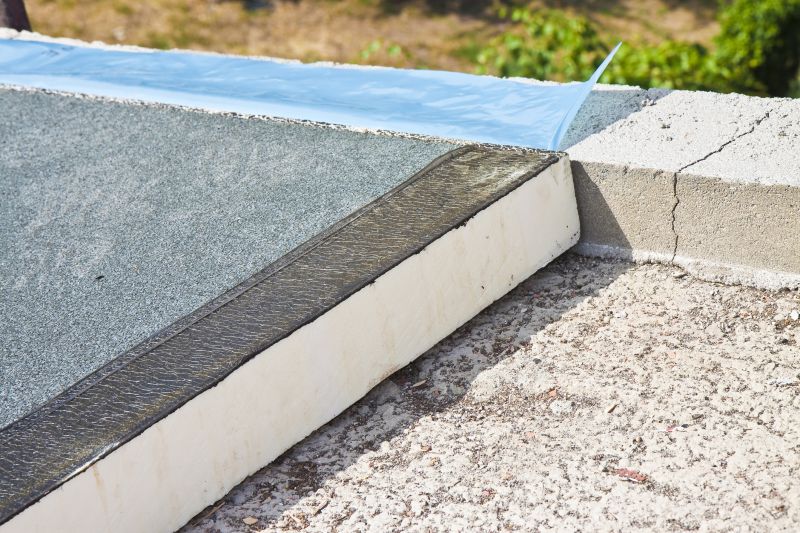
Rigid insulation is often installed in walls, basements, and attics to improve building performance.
Choosing The Right Material
Selecting the appropriate rigid insulation depends on the specific needs of your property and project requirements.
Rigid Insulation Installation in Boulder, CO
Rigid insulation installation is a process that involves adding high-density foam or board materials to improve a building's thermal resistance. This type of insulation is commonly used in projects such as basement wall insulation, exterior wall sheathing, roofing systems, and foundation insulation. Homeowners interested in this service often want to understand the different types of rigid insulation available, how it can enhance energy efficiency, and where it can be effectively applied within their properties to reduce heating and cooling costs.
Before requesting rigid insulation installation, property owners typically seek information about the suitability of specific materials for their climate and building type, as well as the potential impact on indoor comfort. It's also helpful to consider the scope of the project, whether it involves new construction or upgrades to existing structures, and any preparation steps needed to ensure proper installation. Clear understanding of these factors can help homeowners make informed decisions about improving their property's insulation performance.
Many property owners in Boulder, CO look into Rigid Insulation Installation for repairs, replacements, upgrades, and appearance-related improvements.
Common Rigid Insulation Installation Jobs
Attic insulation - Rigid insulation can be installed to improve attic thermal performance and prevent heat loss.
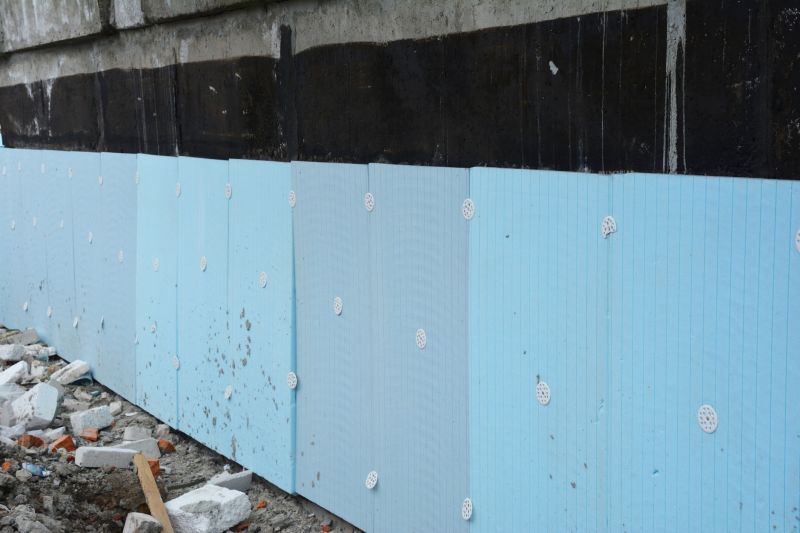
Basement walls - Installing rigid insulation helps create a moisture-resistant barrier and enhances basement energy efficiency.
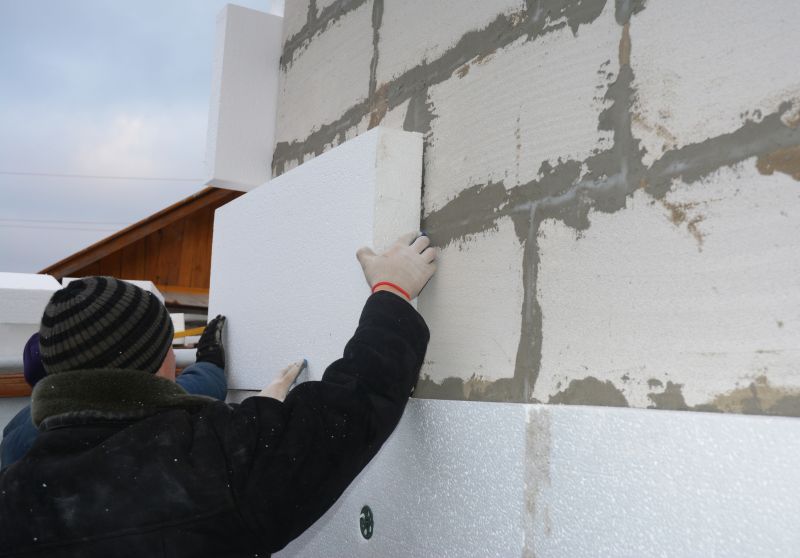
Exterior wall insulation - Rigid insulation applied to exterior walls reduces thermal bridging and increases overall home comfort.
Roof insulation - Adding rigid insulation under roofing systems helps maintain consistent indoor temperatures.
Foundation insulation - Insulating foundation walls with rigid materials helps reduce heat transfer and protect against cold floors.
Commercial building insulation - Rigid insulation services support energy savings and climate control in commercial properties.
Rigid Insulation Installation Questions
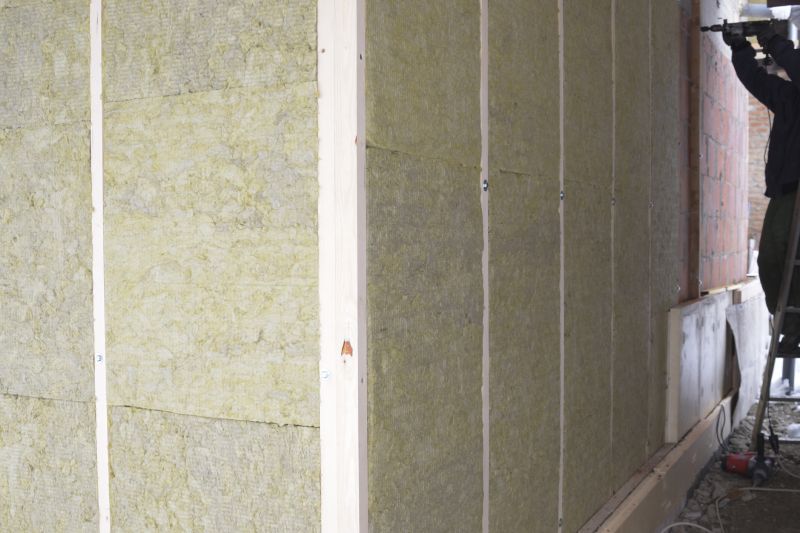
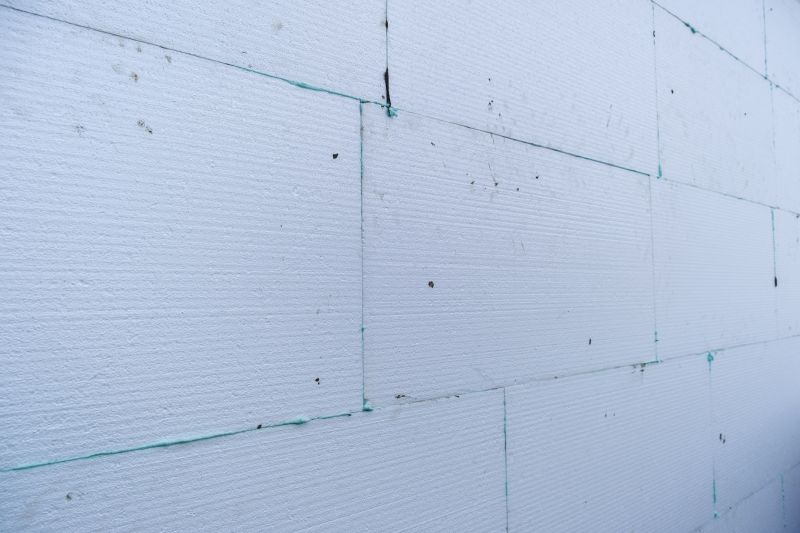
What is rigid insulation used for? Rigid insulation provides thermal resistance in walls, roofs, and foundations, helping to improve energy efficiency and indoor comfort.
Which types of projects benefit from rigid insulation? Rigid insulation is ideal for basement insulation, exterior wall upgrades, and new construction where continuous insulation is needed.
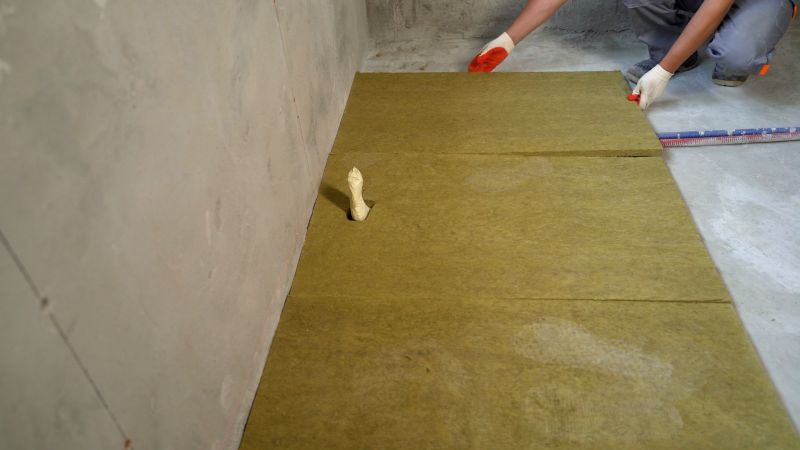
How is rigid insulation installed? Installation involves cutting the insulation to fit, then attaching it securely to surfaces using appropriate fasteners or adhesives.
What should property owners consider before installing rigid insulation? It’s important to evaluate the insulation’s compatibility with existing structures and ensure proper air sealing for optimal performance.
Request Rigid Insulation Installation in Boulder, CO
Use the quote form on this page to share the basics of your project and request more information for the type of work you need.