Rigid Insulation Installation in Austin, TX
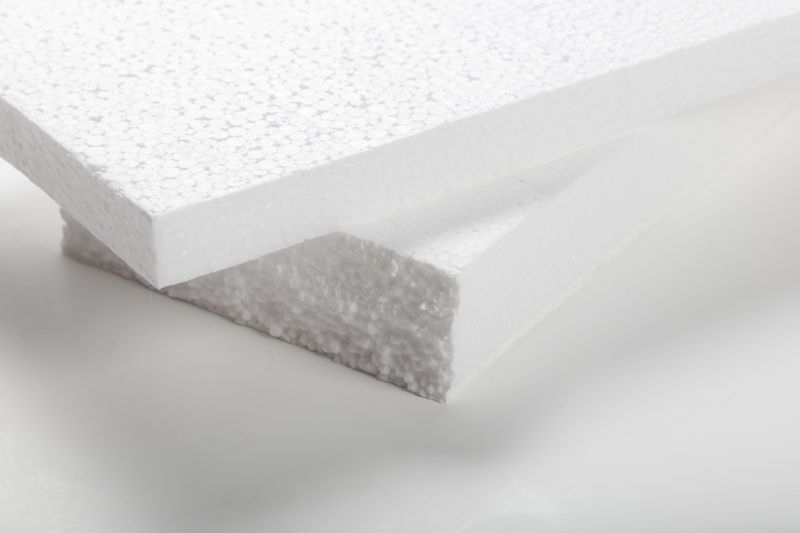
Rigid insulation installation is a process that involves placing durable, high-performance insulation panels within walls, attics, basements, or other building areas to improve thermal efficiency. This type of insulation is often used in residential projects such as new construction, remodeling, or additions, as well as in upgrading existing insulation systems. Property owners typically want to understand the different types of rigid insulation available, such as foam boards or polyisocyanurate, and how they can help reduce energy costs, enhance comfort, and provide long-lasting thermal protection for their homes.
Before requesting rigid insulation installation services, homeowners should consider the specific areas of their property that need insulation, the compatibility of rigid panels with existing building materials, and any local building codes or regulations that might influence the project. It’s also helpful to understand the installation process, including preparation requirements and potential impacts on indoor air quality or moisture control. Clarifying these details can help property owners make informed decisions and ensure the insulation system effectively meets their comfort and efficiency goals.
Many property owners in Austin, TX look into Rigid Insulation Installation for repairs, replacements, upgrades, and appearance-related improvements.
Benefits Of Rigid Insulation
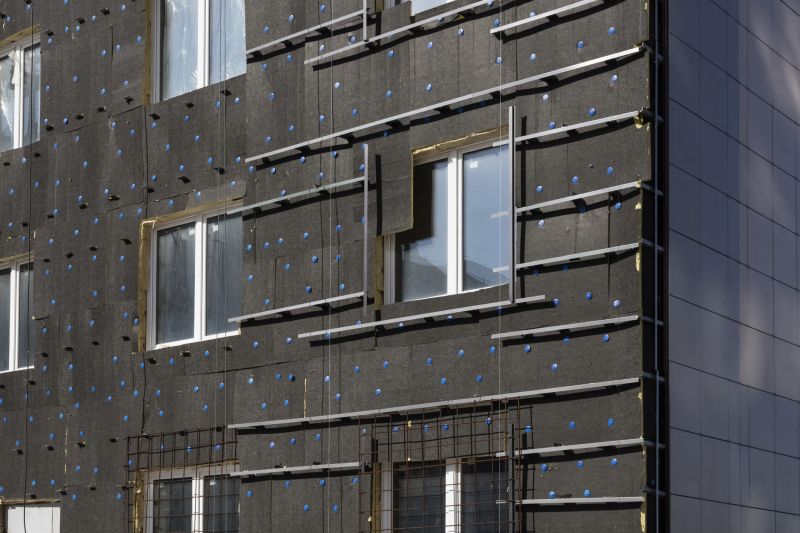
Rigid insulation helps improve energy efficiency and reduces heating and cooling costs in austin homes.
Common Installation Projects
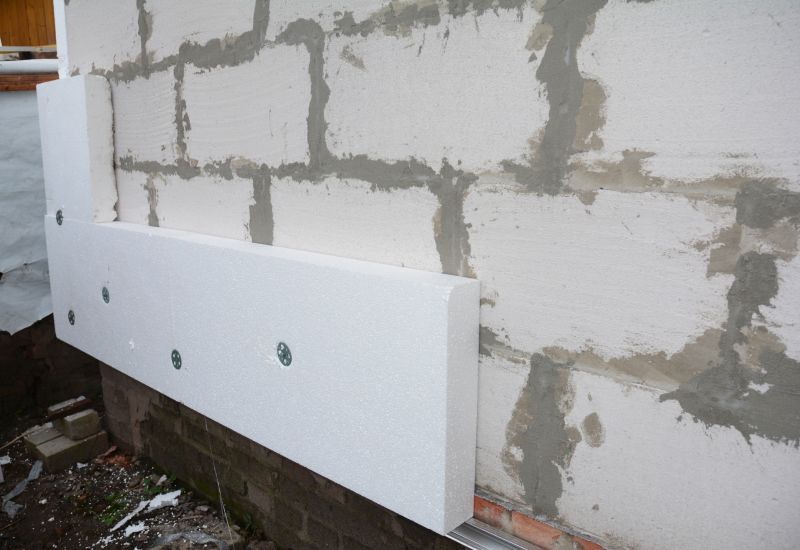
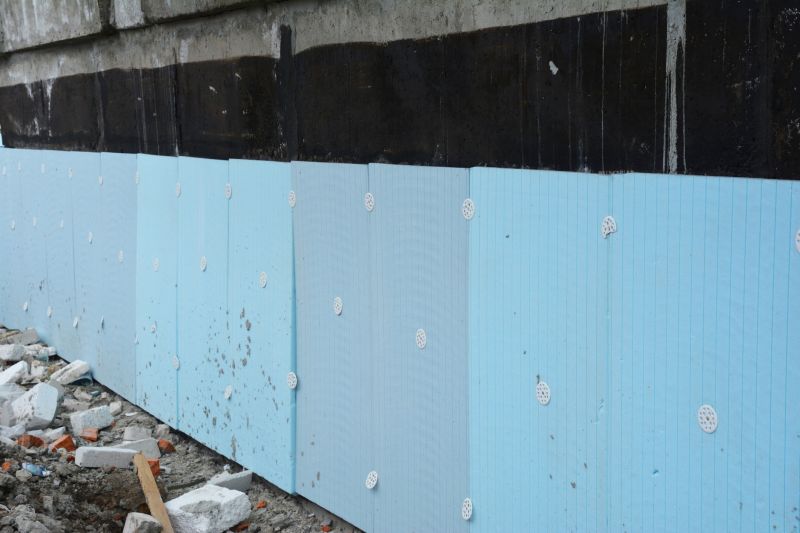
Rigid insulation is often used in basement walls, roofing, and exterior wall sheathing for property enhancements.
Key Factors To Consider
Proper installation ensures optimal thermal performance and long-term durability for residential and commercial buildings.
Rigid Insulation Installation in Austin, TX
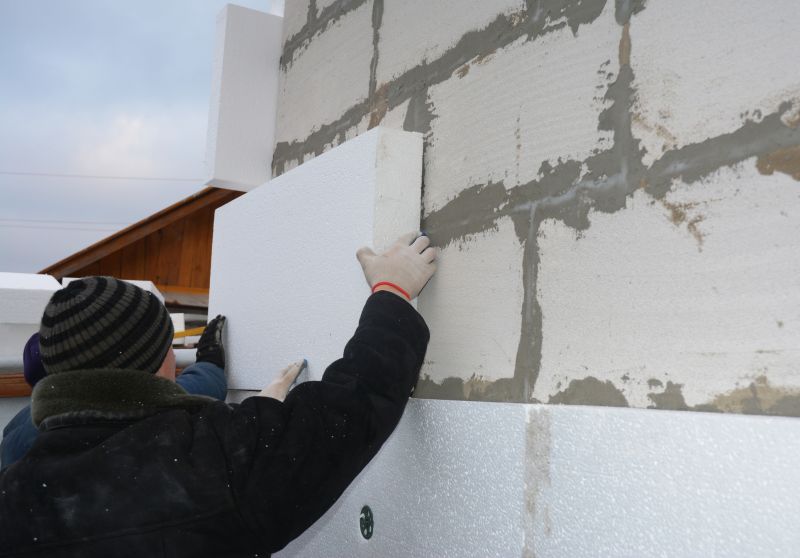
Rigid insulation installation is a process that involves placing durable, high-performance insulation panels within walls, attics, basements, or other building areas to improve thermal efficiency. This type of insulation is often used in residential projects such as new construction, remodeling, or additions, as well as in upgrading existing insulation systems. Property owners typically want to understand the different types of rigid insulation available, such as foam boards or polyisocyanurate, and how they can help reduce energy costs, enhance comfort, and provide long-lasting thermal protection for their homes.
Before requesting rigid insulation installation services, homeowners should consider the specific areas of their property that need insulation, the compatibility of rigid panels with existing building materials, and any local building codes or regulations that might influence the project. It’s also helpful to understand the installation process, including preparation requirements and potential impacts on indoor air quality or moisture control. Clarifying these details can help property owners make informed decisions and ensure the insulation system effectively meets their comfort and efficiency goals.
Many property owners in Austin, TX look into Rigid Insulation Installation for repairs, replacements, upgrades, and appearance-related improvements.
Common Rigid Insulation Installation Jobs
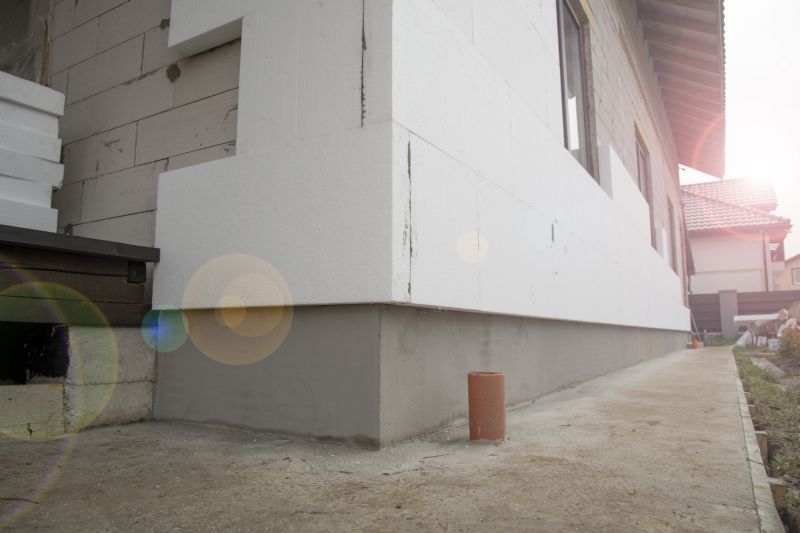
Exterior wall insulation - improves thermal resistance and reduces energy costs.
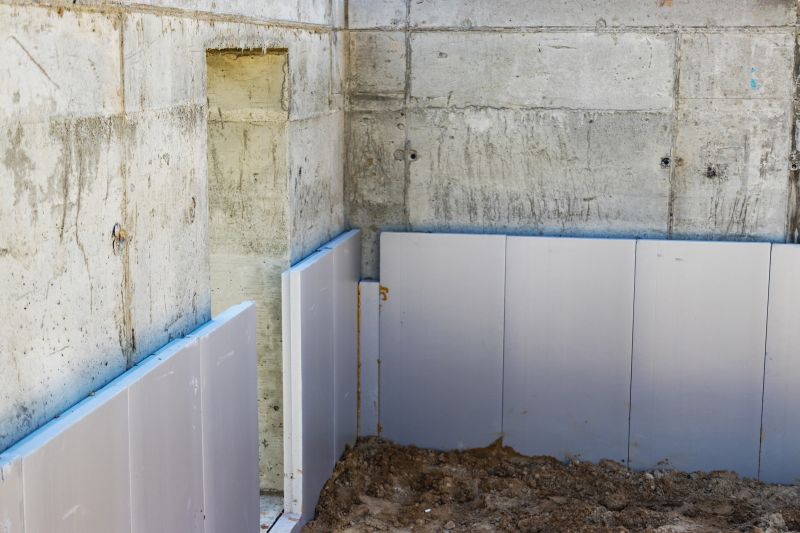
Basement insulation - helps prevent heat loss and moisture issues in below-grade spaces.
Attic insulation - enhances overall home comfort and minimizes temperature fluctuations.
Commercial building insulation - creates a more energy-efficient environment for business spaces.
Roof insulation - protects against heat transfer and extends roof lifespan.
Partition wall insulation - provides soundproofing and thermal separation within interior spaces.
Rigid Insulation Installation Questions
What is rigid insulation used for? Rigid insulation provides a high level of thermal resistance for walls, roofs, and foundations to improve energy efficiency.
Which types of projects benefit from rigid insulation? It is commonly used in new construction, remodeling, and upgrading existing building envelopes for better insulation performance.
How is rigid insulation installed? Installation involves securing panels to surfaces such as walls, ceilings, or foundations, often with adhesives or fasteners, depending on the application.
What should property owners consider before installing rigid insulation? It's important to evaluate the insulation's compatibility with existing building materials and the specific thermal needs of the property.
Request Rigid Insulation Installation in Austin, TX
Use the quote form on this page to share the basics of your project and request more information for the type of work you need.